HR can't make workforce decisions with stale data
HR has no shortage of data, but it doesn't always have a current, reliable view of it. Hiring, turnover, recruiter performance, and retention data often live in different systems and reports. We bring it together so HR leaders can see what's happening without waiting for manual compilation.
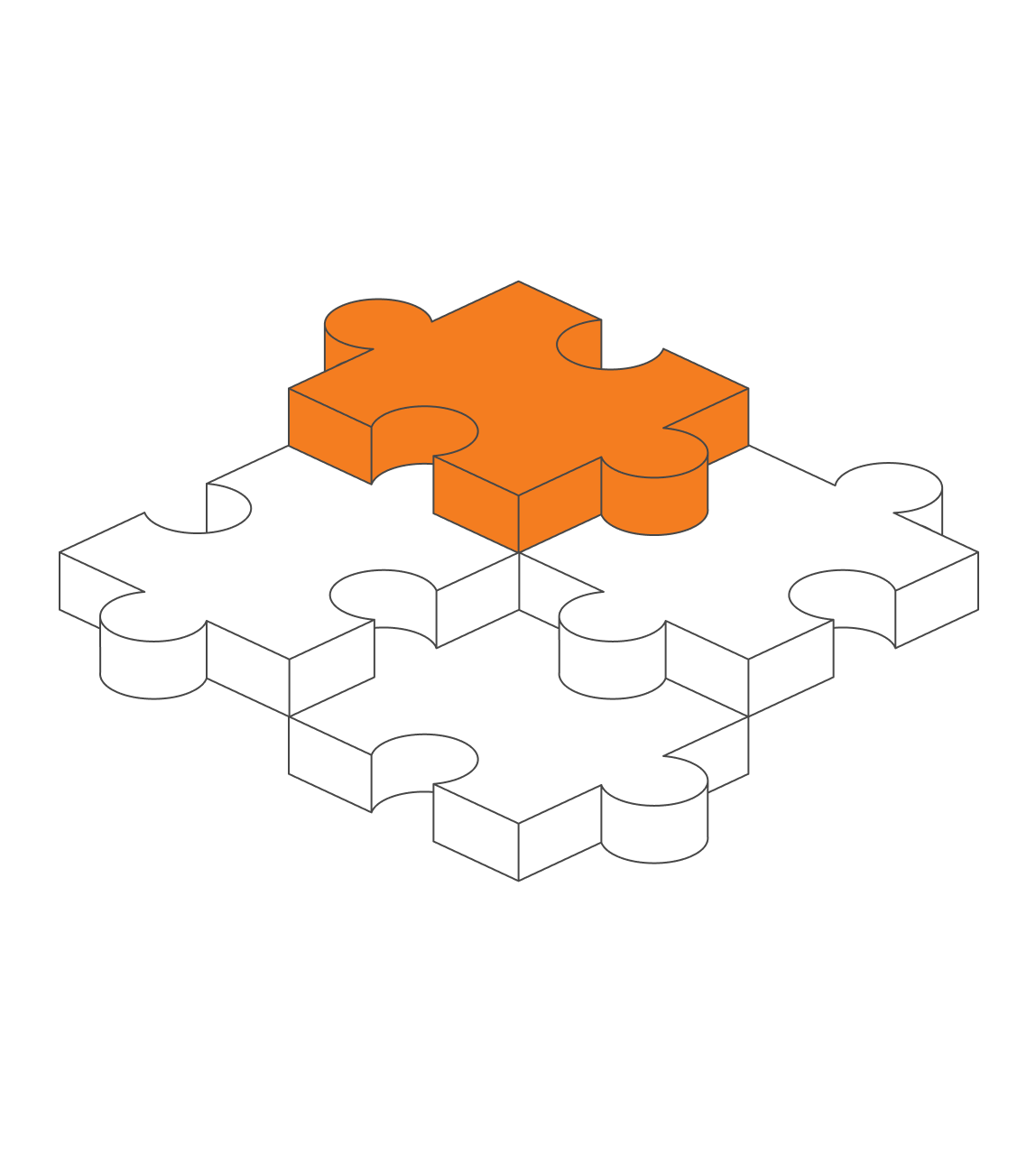
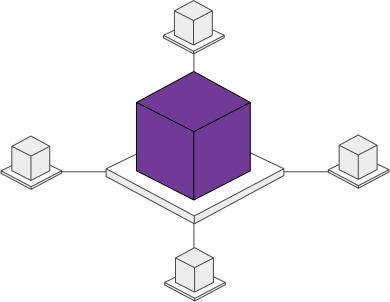
The HR data exists. It's scattered across five systems that were never designed to talk to each other.
We consolidate that data and establish consistent definitions for metrics like headcount, turnover, time-to-fill, and recruiter productivity. From there, we build dashboards that update with the underlying data rather than requiring HR to rebuild the reporting every month.
What we can build for HR and people analytics teams
Most AI initiatives fail after the strategy deck is delivered. PivotX stays through execution, adoption, and measurable business outcomes because that's where transformation actually happens.
Unified HR data platform
Oracle, payroll, Workday, and other HR data consolidated into a single governed foundation with self-service dashboards and near-real-time insights.
Conversational HR analytics
Natural-language query capability so HR leaders can ask questions about headcount, attrition, and the hiring pipeline directly.
Talent acquisition intelligence
Recruiter productivity, time-to-fill, offer acceptance, and sourcing channel effectiveness tracked in one place.
Workforce planning with predictive signals
Attrition risk, skill gap identification, and demand forecasting built on workforce data to support hiring and workforce planning.
Skill gap analysis against product or delivery goals
Identify gaps between the skills the organization has and the capabilities it needs, helping inform hiring and development priorities.
HR process automation
Manual intake, qualification, and onboarding workflows automated, with duplicate detection, standardized forms, and a full audit trail.
HR needs reliable data to make workforce decisions.
We start by mapping where the HR data lives and what questions your CHRO and business leaders need to answer. Those questions determine what we build and how the data foundation is structured. We establish consistent definitions for workforce metrics and controls over who can access the data, so HR and business leaders are working from the same numbers. The first engagement creates a data foundation your HR team owns. Each use case after that builds on what is already there.
Explore & Evaluate
We map the business and identify where AI could create measurable value. Working with your team, we evaluate potential use cases and narrow the list to the ones worth pursuing. By the end of week four, we know what we're building, why it matters and how we'll measure success.
Validate
Solution design and prototyping happen alongside user involvement. The people who will use the solution help shape it as it develops. Working MVPs give the team something real to test and evaluate rather than asking them to react to a finished product.
Value & Scale
We deliver the working AI solution, a validated 12-month roadmap, and a quarterly execution plan. We also begin the process of putting the solution into use. At this point, your team has experience with the solution and a clear understanding of what comes next.
We help you define the problem precisely enough that the AI solution can be defended to your controller, auditors, and board. And we don't leave until you have AI in production, acting alongside your team.
HR data foundations that give leadership a clearer view of the workforce.
Related industries and other functions
What workforce questions does your HR team have trouble answering without pulling data from multiple systems or waiting for a report?
Talk to us about what it would take to give your team those answers.