Stop rebuilding your data for every new AI initiative
The architecture that supported last year's reporting stack doesn't support this year's AI initiative, and the governance framework that was right for three use cases can't scale to handle thirty of them. We build data foundations that can support multiple use cases, so your team isn't rebuilding the same foundation with every new initiative.
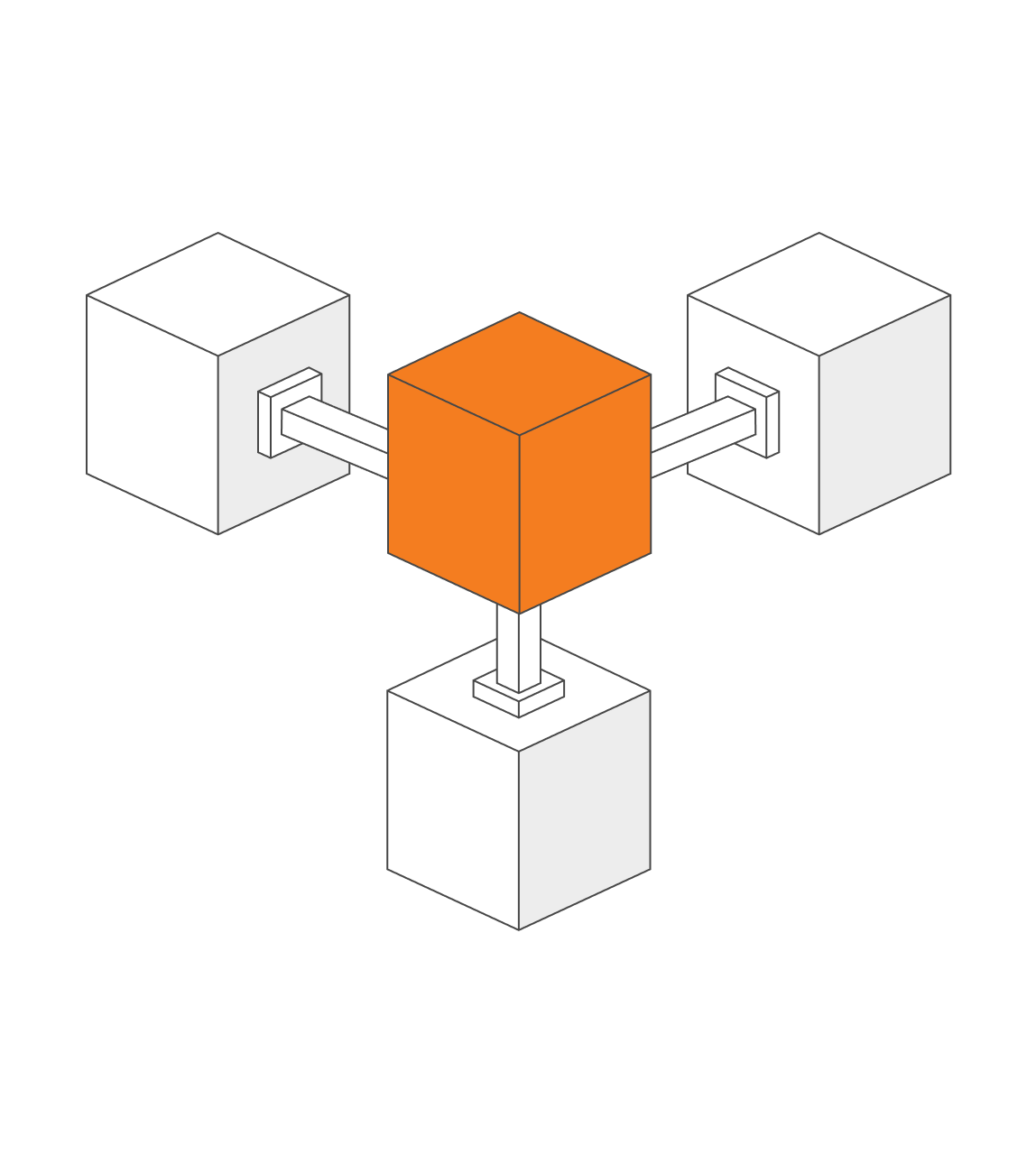
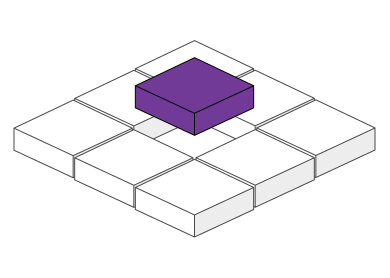
Every new AI initiative on your roadmap has the same problem. It assumes the data is ready, but it usually isn't.
Over time, each new initiative adds to the data and governance work required for the next one. Before we scope a use case, we assess what your current architecture can support. Then we build a foundation designed to support the use cases that follow.
What we can build for data and analytics teams
Most AI initiatives fail after the strategy deck is delivered. PivotX stays through execution, adoption, and measurable business outcomes because that's where transformation actually happens.
AI-ready data strategy and unified data foundation
Enterprise-wide data strategy, scalable AI-ready platform, and shared data services organization, validated through an MVP before you commit budget to the full build.
Customer 360 and Master Data Management
Fragmented customer data unified into a single governed view across sales, support, licensing, and revenue operations, giving those teams a consistent view of the same account.
Financial data platforms with automated analysis
ERP and planning tool data integrated into a single platform. Variance analysis automated. Financial reporting cycle cut from 10–15 days to near real-time.
Conversational analytics
Natural-language query capability over your own data, giving leaders direct access to answers without waiting for the analytics team's report queue.
Sales and marketing data unification
End-to-end funnel visibility with ML-driven segmentation and propensity scoring, helping sales teams prioritize the opportunities most likely to close.
Governance frameworks built to reuse
Governance designed once and applied across business units. Each new deployment starts with ownership, lineage, and quality controls already in place, reducing the governance work required for subsequent rollouts.
The data team shouldn't have to rebuild the foundation every time the business adds a use case.
We start by assessing what the current architecture can actually support and where the gaps are. The first engagement creates clean, governed data your team owns. Subsequent use cases build on that foundation rather than requiring a new data effort each time. In ten weeks, you have a working MVP and a 12-month roadmap your CDO can defend to the business, including what each additional use case is expected to cost. The goal is a foundation that reduces the work and investment required for each subsequent initiative.
Explore & Evaluate
We map the business and identify where AI could create measurable value. Working with your team, we evaluate potential use cases and narrow the list to the ones worth pursuing. By the end of week four, we know what we're building, why it matters and how we'll measure success.
Validate
Solution design and prototyping happen alongside user involvement. The people who will use the solution help shape it as it develops. Working MVPs give the team something real to test and evaluate rather than asking them to react to a finished product.
Value & Scale
We deliver the working AI solution, a validated 12-month roadmap, and a quarterly execution plan. We also begin the process of putting the solution into use. At this point, your team has experience with the solution and a clear understanding of what comes next.
We help you define the problem precisely enough that the AI solution can be defended to your controller, auditors, and board. And we don't leave until you have AI in production, acting alongside your team.
Data foundations built to support what comes next.
Related industries and other functions
Is every new AI use case creating another data project?
Tell us what the current architecture can't support and what the next use case needs. We'll show you what needs to change and what you can build on.